ISEAA is a nonprofit organization, formed in late 2013, that builds upon a core of pioneering scholarship in Southeast Asian archaeology that began in the late 1960s at the Penn Museum

ISEAA seeks to focus needed human, scientific, and fiscal resources for the advancement of the archaeology of Southeast Asia.
We joined a number of nonprofits that advance archaeology in specific regions. For example, in the Mediterranean region, several such non-profits have emerged, including the Institute for Aegean Prehistory (INSTAP), the American Research Institute in Turkey (ARIT), and the Ancient Egypt Research Associates (AERA). Southeast Asia needs a similar dedicated entity.
After Stephen Young’s accidental 1966 stumble upon Ban Chiang ceramics, in the early 1970s the Penn Museum’s director at that time, Froehlich (Fro) Rainey recruited Chet Gorman, to excavate the site as co-director with Pisit Charoenwongsa, who was appointed by the Fine Arts Department of Thailand. Many additional research programs were spun off from that start, including the Thailand Archaeometallurgy Project (TAP) headed by Vince Pigott, The Thailand Palaeoenvironment Project co-directed by Joyce White and Lisa Kealhofer, the Middle Mekong Archaeological Project (MMAP) led by Joyce White, and several PhD dissertations. Penn research over the years included excavations at ten more sites in Thailand and four in Laos, plus surveys, palaeoenvironmental research, and more.
ISEAA became fully operational in late 2013, to assume responsibility for former Penn Museum research projects such as Ban Chiang. ISEAA is led by Executive Director Dr. Joyce White, long-time director of the Ban Chiang project at Penn Museum and co-Director of MMAP.
It is becoming increasingly apparent that it is up to the stakeholders of the earth’s archaeological heritage, both archaeologists and laypersons, to develop new institutions that can provide stable sustainable frameworks to ensure the furtherance of the investigation of the earth’s ancient cultures.
Meet Our Team
Staff
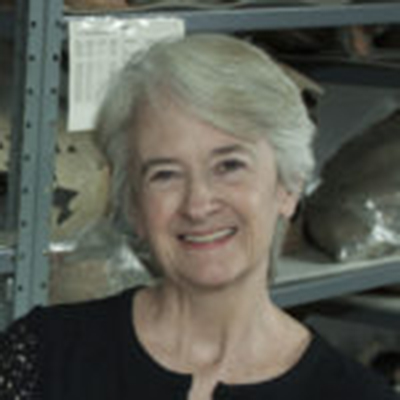
Dr. Joyce C. White, PhD
Executive Director
Read bio
Dr. White is an internationally recognized archaeologist specializing in the prehistory of Southeast Asia since 1974, especially in Thailand and Laos. She is the world’s expert on the site of Ban Chiang, Thailand, named by UNESCO as a World Heritage Site in 1992 due to significant discoveries of a previously unknown civilization. From 1981, she has been Director of the Ban Chiang Project at the University of Pennsylvania Museum. She continues there today as Consulting Scholar. In 2001, White initiated an archaeological research program in Laos, the first American to successfully sustain a modern program in that country. The Middle Mekong Archaeological Project (MMAP) is exploring the prehistory of northern Laos in Luang Prabang Province, anticipating that light will be shed on precursor societies to the Ban Chiang Cultural Tradition. MMAP combines a cutting edge, international, multi-disciplinary research program with a training and capacity-building program for Lao heritage managers. White’s research over the years has been funded by the National Science Foundation, The National Geographic Society, and the Henry Luce Foundation, among others.
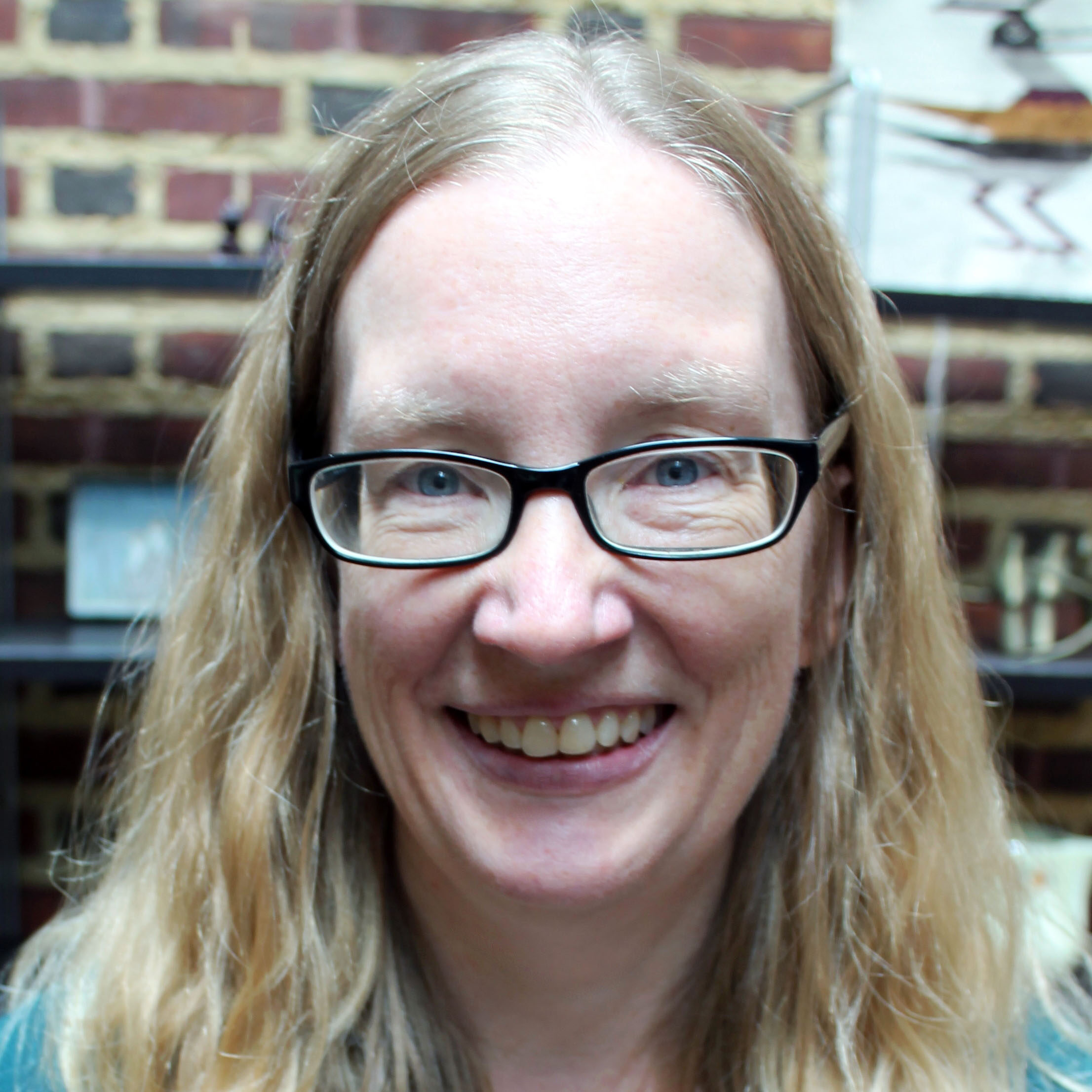
Ardeth P. Anderson
Illustrator & Artist
Read bio
Ardeth has an M.F.A. from the University of Pennsylvania and has worked for the Ban Chiang Project since 1990, first as a work-study student illustrating the beautiful Ban Chiang ceramics, then burials, site plans, and excavation sections. After graduating, she continued working as an illustrator for the Ban Chiang Project and helped design and produce the project’s annual fund-raising newsletter. She prepared graphics, such as maps, page layouts, artist reconstructions, and illustrations for the Ban Chiang Metallurgy monograph (now back from peer review). Her work has also been used in various publications and presentations, and has been designing and updating both the Ban Chiang and Middle Mekong Archaeological Project (MMAP) websites for some time.
Advisory Board
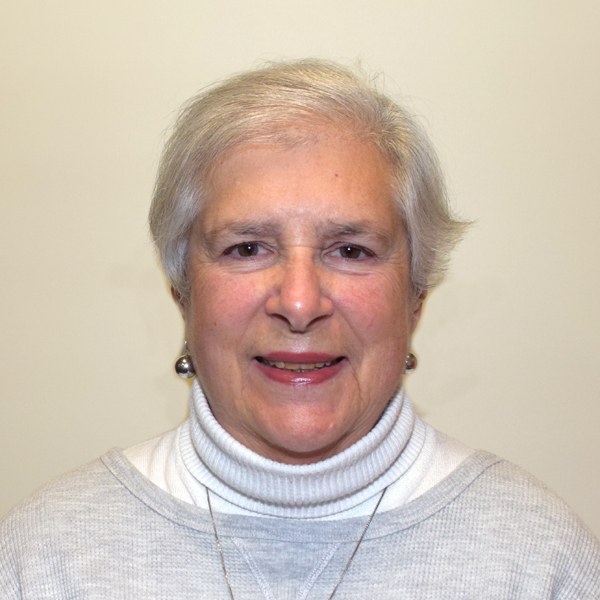
Martha Cappelletti Sewell
Read bio
After growing up in an Air Force family, Ms. Sewell graduated with a BA in Anthropology from George Washington University. This was followed by an MA at GW in Anthropology and Museum Studies. While studying for her MA, she did an internship under the direction of Dr. Eugene Knez at the National Museum of Natural History, helping to re-organize the Thai collection. Following that degree, she obtained a position as an exhibition developer with the Smithsonian Institution Traveling Exhibition Service (SITES). While at SITES she developed numerous anthropology, archeology and natural history exhibitions. She was fortunate enough to become involved in the Ban Chiang exhibition project in the early 1980’s, working with (now) Dr. Joyce White and the Thai Fine Arts Department to produce “Ban Chiang: Discovery of a Lost Bronze Age.” After an extensive U.S. tour, the exhibition was donated to the village of Ban Chiang, where it became the centerpiece of a new museum. Leaving SITES in 2001, she became the Exhibition and Education Director for the soon-to-be-built U.S. Capitol Visitor Center. After directing the development of the Center’s exhibition hall, she retired in 2009. She is now happily involved in various volunteer activities, gardening, boating with her husband Paul, and traveling when they can.

Leslie Laird Kruhly
Read bio
Leslie Laird Kruhly is Vice President and Secretary of the University of Pennsylvania. She was appointed Secretary in 2000, following three years as Associate Director and Director of Development for the Penn Museum of Archaeology and Anthropology. As Vice President and Secretary, Ms. Kruhly assures the continuity of strong volunteer leadership at Penn and manages Trustee Affairs, Overseer Affairs, and the University Council. Her office also directs ceremonial programs including Commencement, the selection of honorary degree recipients and issuance of diplomas. Ms. Kruhly holds a BA in History from Vanderbilt University and a MS in Broadcasting from Boston University School of Communications. Prior to coming to Penn, Ms. Kruhly spent 15 years with the National Foundation for Advancement in the Arts (NFAA), culminating as Executive Vice President for External Affairs.

Vincent C. Pigott, Ph.D., FSA
Read bio
Dr. Pigott, a former Associate Director of the Penn Museum, is a Southeast Asia prehistorian with strong interests in the interaction of technology and culture across Eurasia. He is Co-Director of the Penn Museum-based Thailand Archaeometallurgy Project (TAP), which focuses on the study of prehistoric metallurgical development in that country. His current efforts are directed towards the final publication of this research. Recently, in this regard, he and his TAP colleague Prof. Judy C. Voelker from Northern Kentucky University were awarded an NSF-funded grant from the School for Advanced Research (SAR) in Santa Fe, NM. This award facilitated the convening at SAR of members of his research team to design a strategy for completing remaining TAP research and analysis prior to publication.
Student Workers and Interns
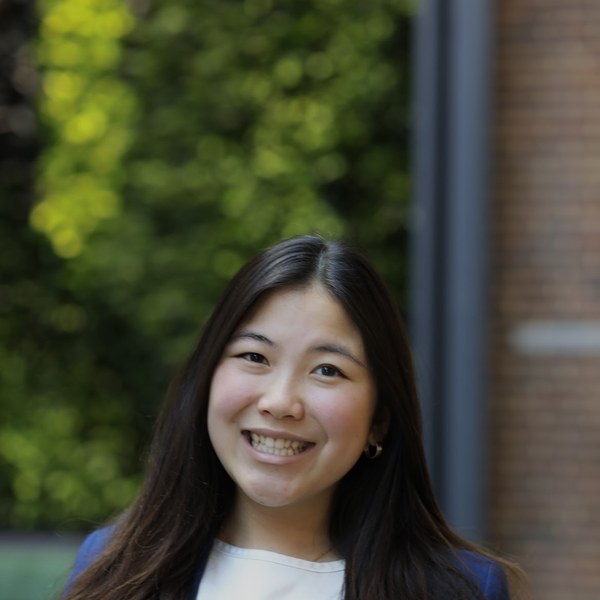
Crystal Yeh
Wharton Student
Read bio
Crystal Yeh is a student the University of Pennsylvania studying business and design. She started working for the ISEAA since Fall of 2025, but has been going to the Penn Museum since 2017. At the ISEAA, she provides support on the bibliography, blog posts, and business administrative work.
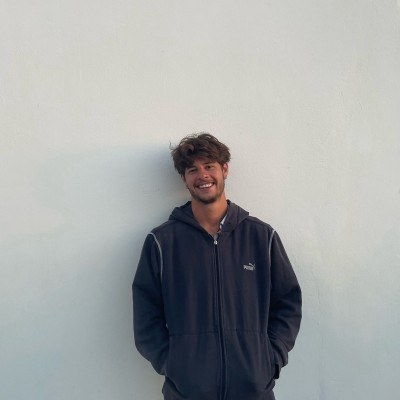
Konstantinos Raptis
Doctoral Student
Read bio
Konstantinos Raptis is a Museum intern for the Middle Mekong Archaeology Project (MMAP), who joined the team in 2025. He primarily works in QGIS and survey data management for the project. Konstantinos is a second-year Ph.D. student at the Art and Archaeology of the Mediterranean World program (AAMW) at UPenn. Yet, his interest in digital humanities goes beyond his traditional area of expertise, namely the Roman Orient, and he is eager to use such tools in a newly discovered geographical area for him, such as Laos. Finally, Konstantinos holds a BA in History and Archaeology from the National University of Athens, Greece, and an MA in Maritime Archaeology from East Carolina University, USA, having participated in numerous archaeological projects ranging from Florida to Italy, Greece, and Turkey.
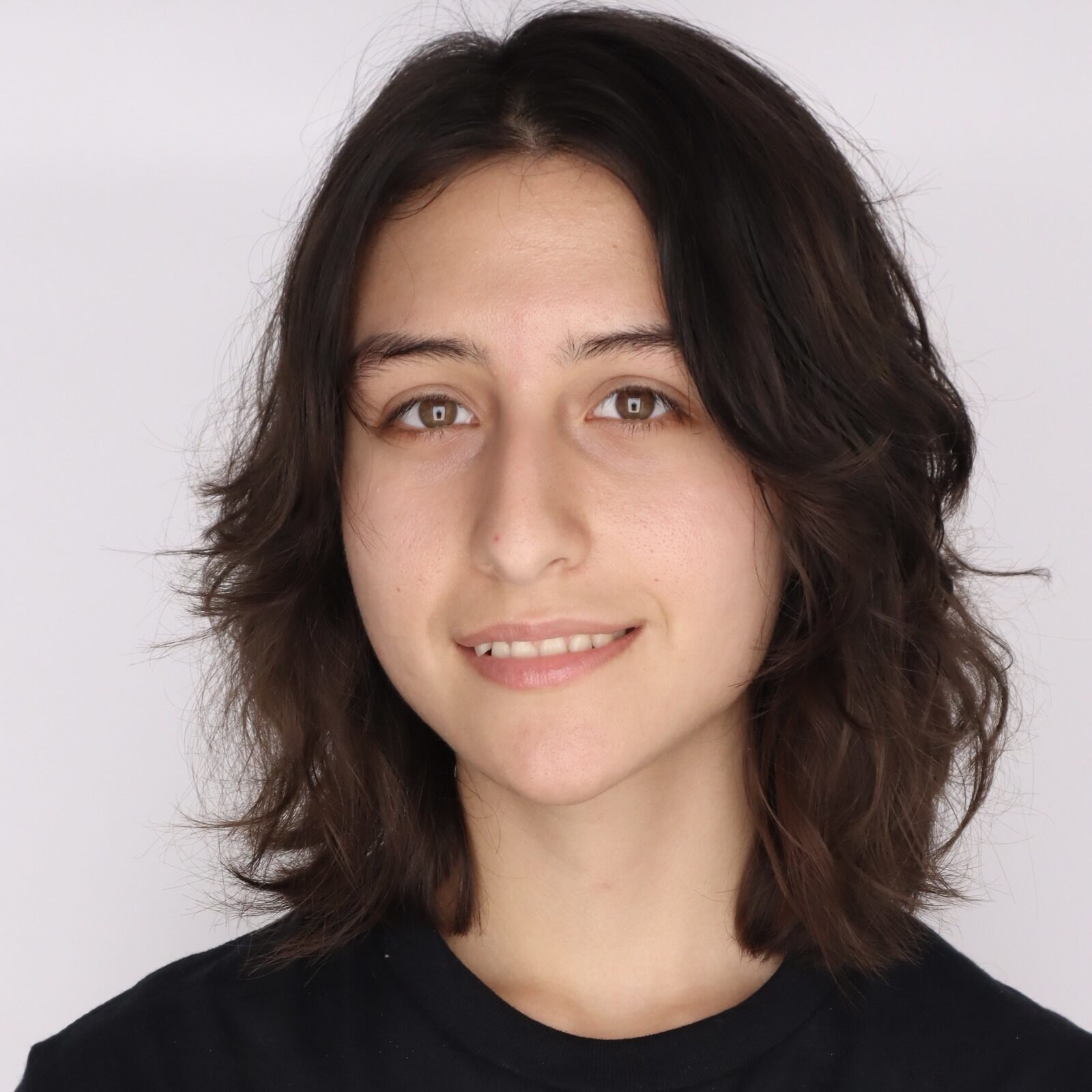
Isa Prado
Anthropology and Data Science Student
Read bio
Isa Prado is a third-year undergraduate Anthropology student, minoring in Data Science and Analytics. She started working for the ISEAA in the Fall of 2026, focusing on the ISEAA website and content development. Isa’s experience in website management, data visualization, and archaeology supports her role with the ISEAA.
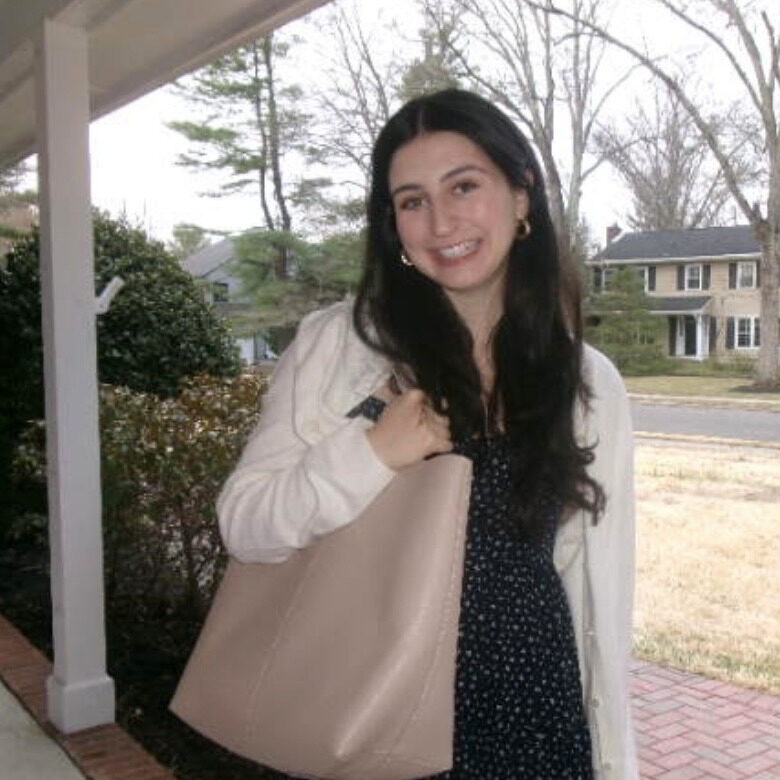
Rachel Berliner
History Student
Read bio
Rachel Berliner is a first-year undergraduate student at the University of Pennsylvania studying history and French. She is originally from central New Jersey, where she first discovered her love for the humanities. Rachel has been supporting the ISEAA through bibliography work at the Penn Museum in Philadelphia since Fall of 2026.
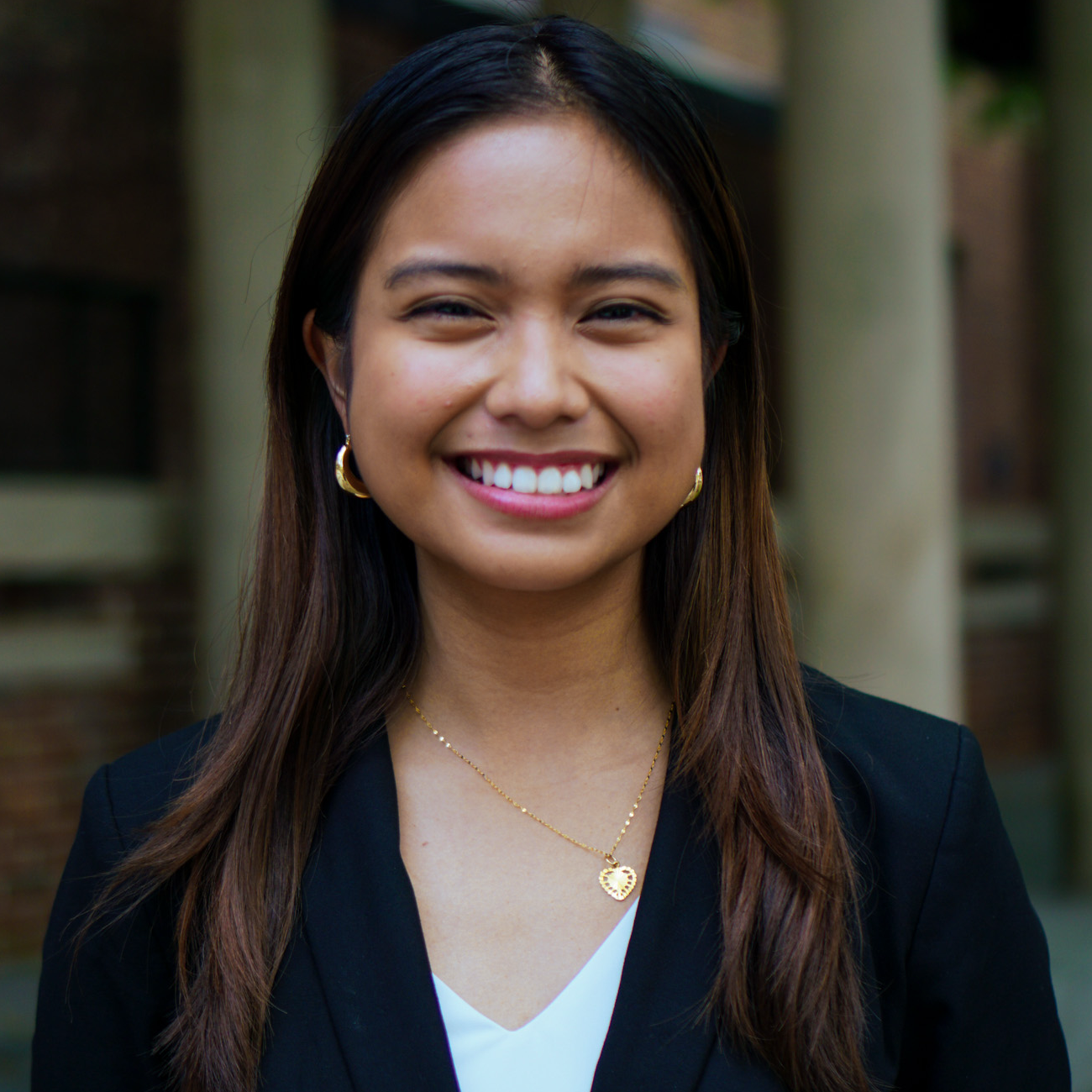
Alecksa Llarenas
Wharton Student
Read bio
Alecksa Llarenas is a student at Penn studying finance at the Wharton School of Business. She started working for the ISEAA in the Fall of 2026, and is an avid museum enthusiast, being a regular Penn Museum visitor. Alecksa is particularly interested in how museums bring these histories to life for contemporary audiences. At ISEAA, she supports business administration operations and contributes to the institute’s ongoing initiatives wherever needed.
Volunteers
Shaila Gray
Wharton Student
Read bio
Shaila Gray is a student at the University of Pennsylvania studying art history and archaeology. She recently joined the Ban Chiang project in Fall 2026 but has been working at the Penn Museum since 2024 as a Gallery Ambassador. She is involved with the development of the ISEAA newsletter.
Collaborators
Dr. Elizabeth Hamilton, PhD
Archaeometallurgist & Data Manager
Read bio
Dr. Hamilton’s analytical specialty is archaeometallurgy, the study of ancient metal working, and her primary interest is in using the technical data to shed light on cultural practices. She curated and analyzed the scores of samples taken from the hundreds of copper-base and iron artifacts excavated from Ban Chiang and the nearby metal age sites of Ban Phak Top, Ban Tong, and Don Klang. She established an online resource for scholars to access the raw metal data in a searchable downloadable database and is co-editing and contributing to the forthcoming monographs on Ban Chiang metallurgy in Penn Museum’s the Thai Archaeology Monograph Series. The first subvolume is expected in early November 2018. She also constructed the Digital Image Archive program that preserves and records data about thousands of Ban Chiang images. Currently Elizabeth is integrating Ban Chiang data with that from Lao archaeological sites into the regional Middle Mekong Archaeological database, and is working on migrating data to a new ISEAA database platform.
Sasha Renninger
Read bio
Sasha is a software developer and a lifelong student of archaeology. Sasha worked with the Ban Chiang Project team 2005-2008 as a work-study student bibliographer. She graduated from Penn with a BA in archaeology in 2009. Sasha joined excavation teams in Egypt as a ceramicist at Abydos in 2008 and the Kharga Oasis in 2011-2012. Between 2008 and 2019 she worked for a variety of projects in the Penn Museum and Penn Museum Library during which she expanded her skill set in database management and application development for archaeologists, earning a Master’s in Computer Science in 2013. In 2018 she started to consult with the ISEAA concerning their digital assets and took on the revamping of their online bibliography. She participated in the Middle Mekong Archaeological Project’s 2019-2020 season. When not working with the awesome folks at ISEAA, she is the Web Development and Digital Research Manager for the Penn Graduate School of Education, a job she started in 2022.
Nicholas Scavullo
Read bio
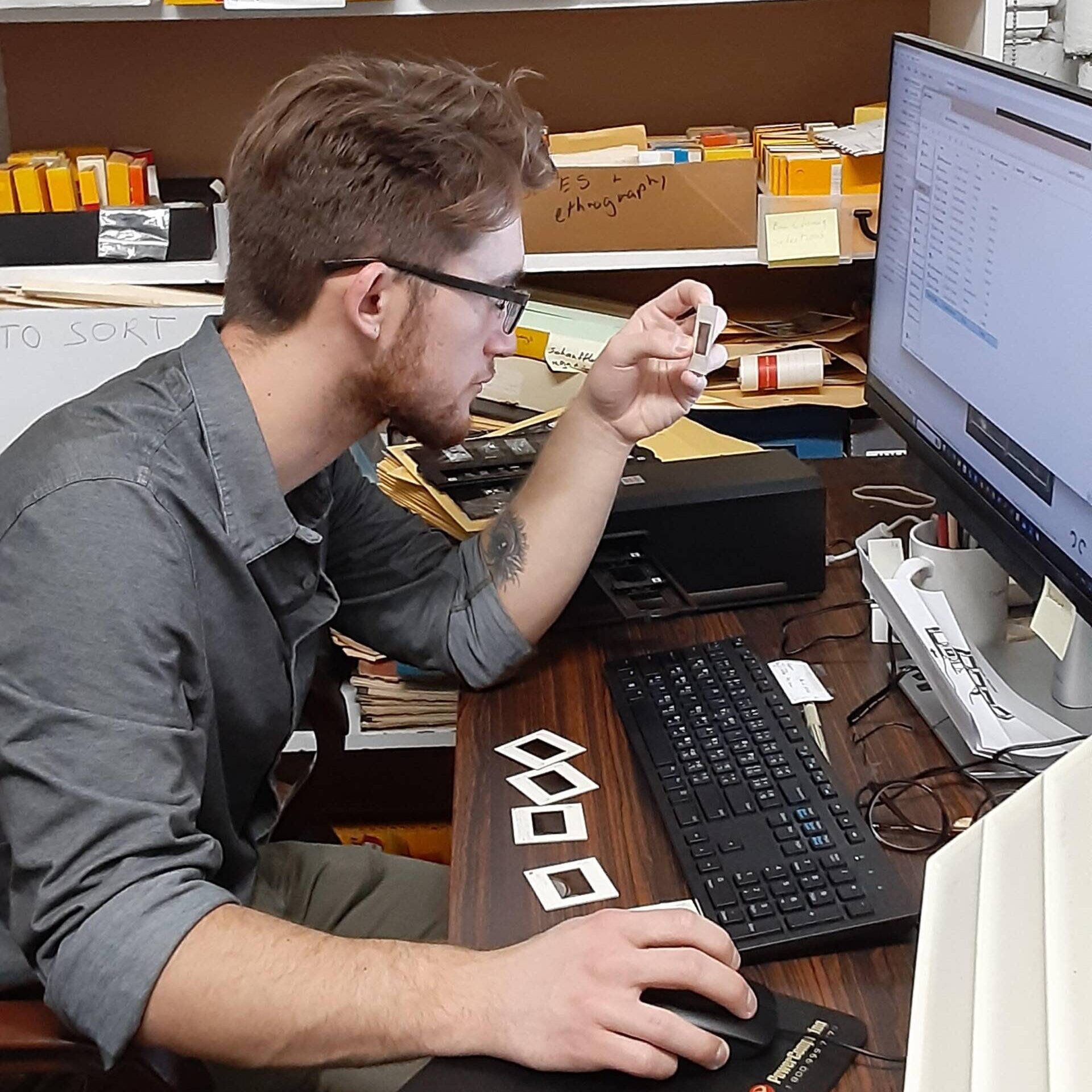
Nicholas began as a volunteer in August 2024. After 9 months of working to digitize much of the Ban Chiang photography slides, he moved into a new role as an intern. He has assisted in database work, website updates, and various other jobs across ISEAA. Nicholas is interested in biological anthropology and is heading towards graduate school. He graduated from Temple with a BA in Anthropology in December of 2021.
John Lowe
Read bio
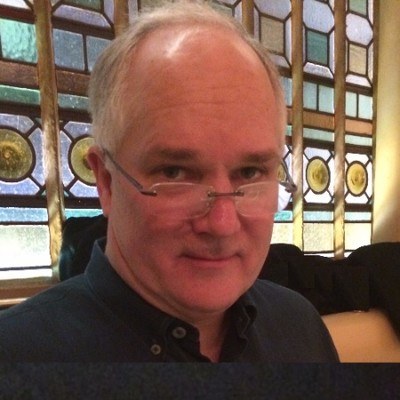
John Lowe is a data scientist advising the Middle Mekong Archaeology Project (MMAP) on data collection and management issues.
After completing his BA in linguistics at Yale in 1977 in Sanskrit and Indo-European historical linguistics, Dr. Lowe worked for the University of California Division of Library Automation on the design and development of several information retrieval systems, including the MELVYL online catalog (the first public access online library catalog in the world). He received his Master’s degree from the School of Library and Information Science (now the School of Information, or iSchool) in 1987.
Returning to linguistics, Dr. Lowe received his Ph.D. from UC Berkeley in 1995. At UC Berkeley, he initiated several projects to study and preserves the lexicons of the world’s languages, including the Sino-Tibetan Etymological Dictionary and Thesaurus Project, the Comparative Bantu Online Dictionary, and the Turkish Electronic Living Lexicon, among others. He was technical director of the first version of FrameNet, a semantic lexicon of English being built at the International Computer Science Institute in Berkeley. He has been a long-term collaborator on language archiving and linguistic annotation as a researcher and membre associé at various CNRS laboratories in Paris.
In Memoriam

Beth Van Horn
Read bio
Before helping to start up ISEAA in 2013, Beth volunteered with the Ban Chiang Project and the Middle Mekong Archaeological Project(MMAP) for more than 9 years. Beginning in 2009, she was the public outreach manager for MMAP (and now ISEAA), doing a little of everything—writing, exhibit development, marketing collateral, photography, fundraising, to name a few. She was a part of three MMAP seasons in Laos, starting with the first survey year (2005). In 2009, she returned to teach public communication skills during the Luce-funded six-week training session in Luang Prabang for Lao heritage managers. In 2013, she developed a comprehensive bilingual exhibit in Luang Prabang, covering 12 years of MMAP work in Laos. Beth retired from Verizon in 2003, where she was a Senior Product Manager doing new product development/rollouts in the Marketing department.
Beth passed away in 2018, and will be sorely missed.

John V. Hastings
Read bio
John Hastings spent much of his life in Philadelphia, before relocating to California in 2000. He received a B.E.E. from Cornell University in 1945. From 1947-1972 John was President of Hastings & Co., Inc, Philadelphia, the largest gold leaf manufacturer in U. S. since the mid nineteenth century. When he became a volunteer at the Penn Museum in 1979, he joined the Ban Chiang Project and spent three years entering data from the excavations into a mainframe computer database, using punch cards and an IBM computer. He became the project programmer and printed numerous summary reports. From 1982-2000 John also provided computer support for staff and researchers at the University of Pennsylvania Museum, including purchasing over 200 personal computers, instruction, troubleshooting, and networking. In the period 1991-1993 John undertook the major project to migrate the Ban Chiang database from mainframe card-image 9-track tapes to a PC database using the software Paradox. John subsequently migrated the Ban Chiang database again to Microsoft Access, and those data are the basis for the current relational database used by the Ban Chiang Project.
It is with deep sadness that we announce the passing of our friend John Hastings in May of 2017 at age 92. For more information, click here.

Criswell Gonzalez
Read bio
Criswell Gonzalez was a Board member of the University of Pennsylvania Museum for more than 20 years. She earned a Master’s of Science in Education and Sociology from the University of Texas. Since moving to the greater Philadelphia region, Ms. Gonzalez took at least ten graduate courses in the Department of Anthropology at Penn, which led to her interest in the Penn Museum. She had an enduring interest in Asia, and visited Thailand, Laos, Cambodia, and Vietnam with Dr. Joyce White on a Penn Museum tour in 1994. Ms. Gonzalez was a valued Friend of Ban Chiang from its early days in the 1990s. Ms. Gonzalez passed away in 2022.
Ruth Brown
Read bio
Ruth Brown was one of the original “Friends of Ban Chiang,” having begun volunteering for the Ban Chiang Project in 1992. She initially helped to reconstruct pottery vessels from the collection of pottery sherds on loan from the Thai government. She later built the bibliographic database with her entry of the first few thousand references. Once Ruth retired in 1997, the database construction was then passed to our current student workers and interns. In her late age, Ruth continued to cherish the work of the Ban Chiang Project in her bequest of $150,000. This donation has continued her legacy, furthering the work of the Bibliographic Database.
It was of great sorrow that Ruth Brown passed away in 2015. For more information from the Philadelphia Inquirer’s Obituaries, click here.
Bill Henderson
Read bio
Bill Henderson was a volunteer with the Ban Chiang Project for 18 years, first starting in 1992. When research took the team to Laos, Bill accompanied a MMAP survey season in 2005, creating the video A Taste of Luang Prabang, and the MMAP archaeological dig at Tham Vang Ta Leow in 2008. Bill developed a rim sherd database for the Ban Chiang Project and was a co-author with Joyce White on an article published in 2003 explaining the integration of a standardized nomenclature for the shape anatomy of pottery rims to facilitate the implementation of a searchable computer database (DOI: 10.7152/bippa.v23i0.11849). Bill presented this research at international conferences in Malaysia and Taiwan on behalf of the Penn Museum. His database, of over 1600 pottery artifacts, is crucial to the Ban Chiang Project’s research. The Penn Museum highlighted him as an “irreplaceable asset” to this World Heritage Site project. [1, 2] After his passing, the Penn Museum named him the 2009-2010 Volunteer of the Year, where his wife Barabara and son Bill Jr. accepted the award on his behalf on April 26th, 2010.
In mourning, we announce the passing of Bill Henderson in January of 2010. For more information from the Philadelphia Inquirer’s Obituaries, click here.
—–